With recent updates to UK electrical standards and government safety frameworks formally permitting compliant 800W plug-in solar kits, interest in “balcony solar” and DIY panel kits has surged. Advertised as a simple way to plug a solar panel straight into a standard wall socket and start reducing your bills, it sounds like an easy win.
At Prime Energy Solutions, we frequently receive inquiries asking if we supply these plug-in kits—and why we choose not to.
While plug-in kits do serve a very specific, niche market, they are not a direct alternative to a professionally designed rooftop solar PV and battery storage system. Before buying into the hype, here is what you need to know about how plug-in solar works, how much it actually saves, and who it is (and isn’t) really for.
What is Plug-In Solar?
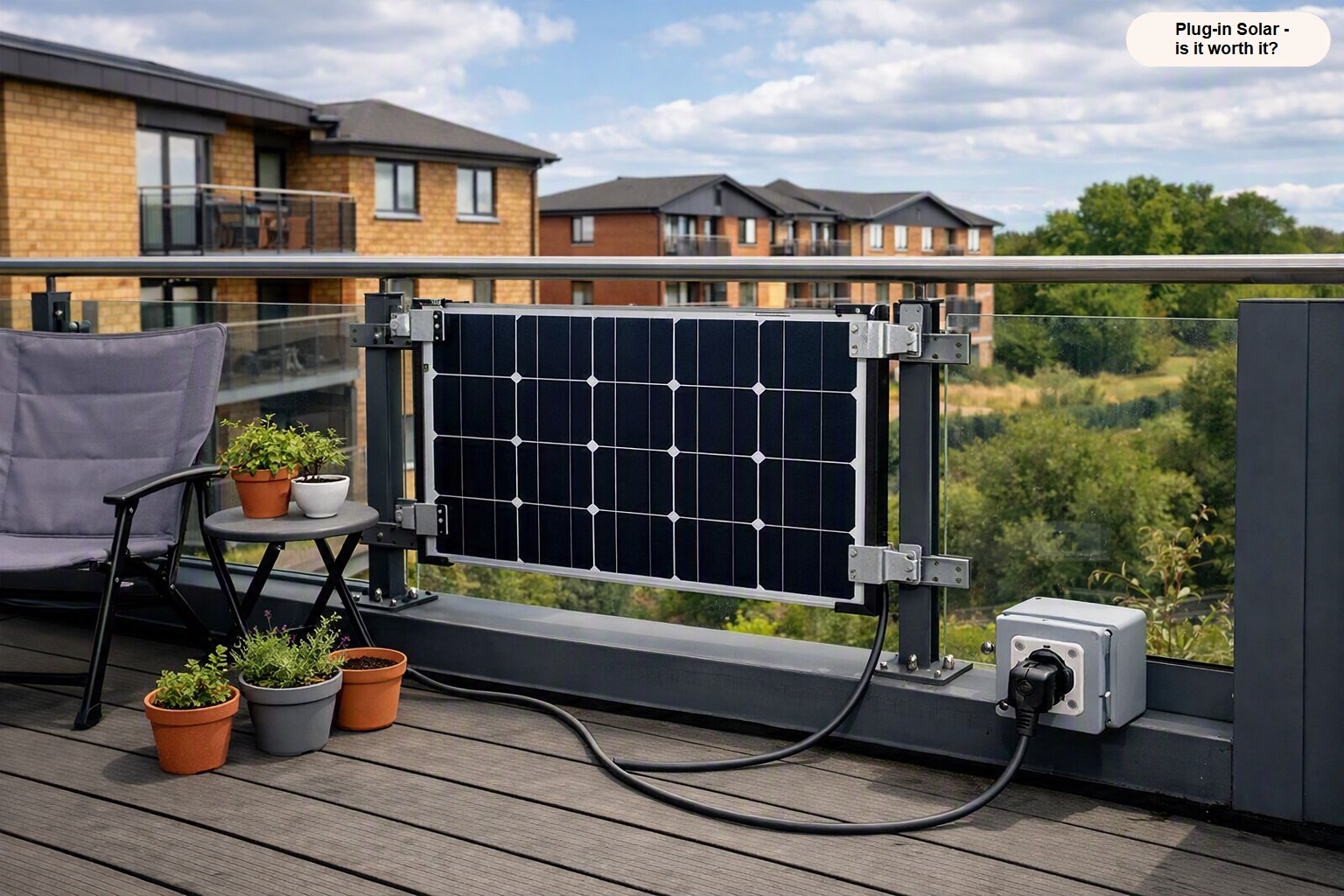
A plug-in solar kit consists of one or two small solar panels, a micro-inverter (capped at 800W AC output under UK grid rules), and a standard UK 3-pin plug. You set up the panels on a patio, shed roof, or balcony railing, plug the lead into an outdoor 13A socket, and electricity feeds back into your home circuit.
Any power generated by the kit is used immediately by appliances currently drawing power in your home—such as your fridge, Wi-Fi router, or standby electronics.
The Economics: Low Output & High Cost per kWh
On paper, eliminating the installation cost of a traditional roof array sounds appealing. However, when you look at the real-world financial yield, the limitation of plug-in kits becomes clear.
1. Limited Annual Savings
Government estimates and realistic UK weather modeling project that a compliant 800W plug-in system will save an average household roughly £70 to £110 per year. With certified UK-compliant kits starting around £600 to £800+, it can take 6 to 10 years just to break even.
2. High Cost Per Installed Watt
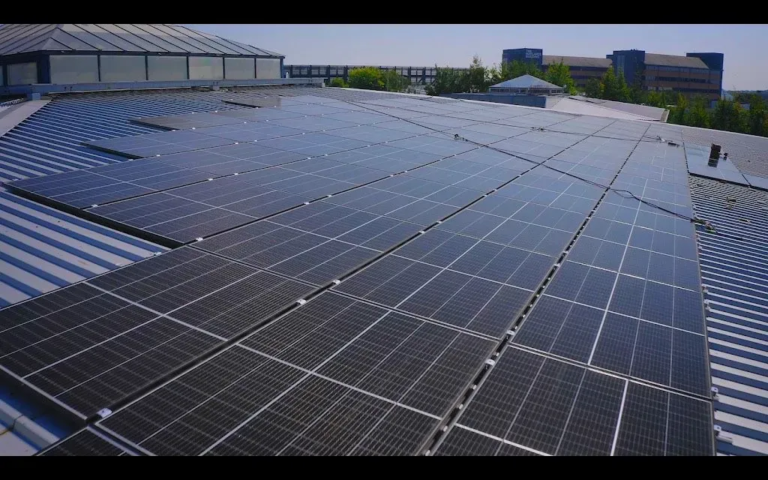
Because micro-kits lack economies of scale, you pay a heavy premium per watt of generation capacity. A fully optimized 4kW to 6kW rooftop array installed by a professional works out significantly cheaper per kilowatt-hour (kWh) generated over its 25-year lifetime.
3. No Storage Means Wasted Energy
UK plug-in regulations currently apply strictly to solar-only generation—plug-in batteries are not permitted under this pathway.
Solar energy is generated during the day when household consumption is usually lowest. Without a battery to store excess generation, a large portion of the power generated by your plug-in kit during peak summer sun will simply bleed back out onto the national grid for free.
The Verdict: Who Plug-In Solar is (and Isn’t) For
To decide whether a plug-in kit makes sense for your property, consider which category you fall into:
Who Plug-In Solar IS For:
- Flat Owners & Renters: If you live in an apartment with a sunny, unshaded balcony and have explicit landlord or freeholder permission, plug-in solar offers a portable way to reduce your daytime base load.
- Temporary Residents: If you plan to move within 1 to 3 years, you can pack up a plug-in kit and take it with you.
- Low Daytime Base-Load Users: Households with a constant background draw (e.g., home offices, aquariums, medical equipment running during the day) that can immediately absorb 300W–600W of daytime generation without needing a battery.
Who Plug-In Solar IS NOT For:
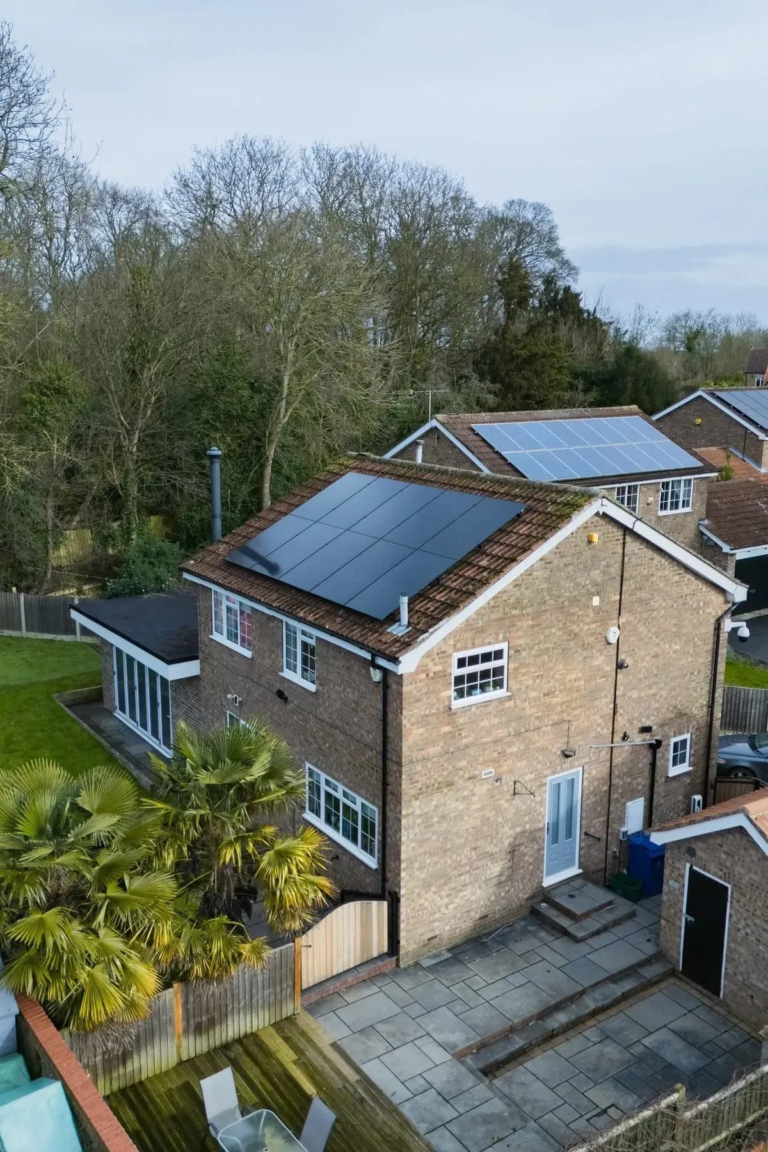
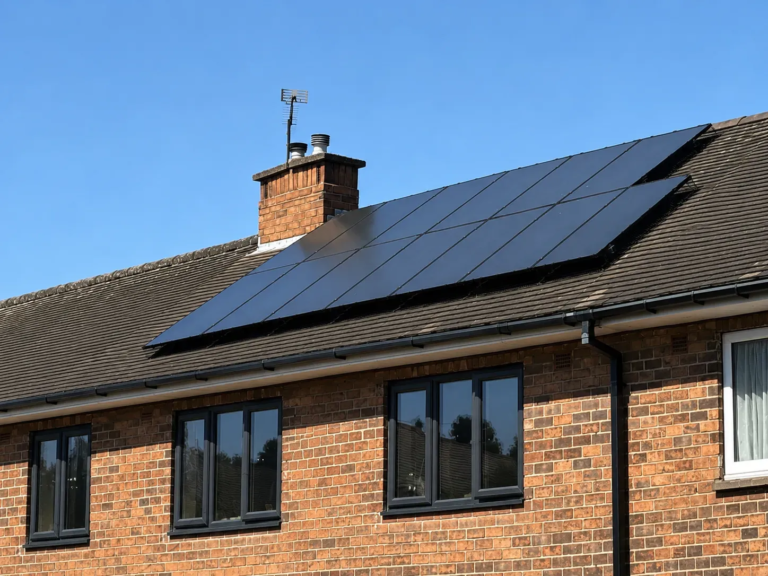
- Homeowners with a Suitable Roof: If you own a house with available roof space, a plug-in kit is a poor substitute for a full array.
- Families Seeking Significant Bill Reduction: An 800W kit cannot cover heavy appliances like washing machines, heat pumps, EV chargers, or evening power draws.
- Anyone Wanting Smart Off-Peak Tariffs: Plug-in kits cannot charge from cheap overnight tariffs (e.g., 7p/kWh) to discharge during peak evening hours (30p/kWh).
How Plug-In Kits Compare to Integrated Solar & Battery Systems
| Feature | Plug-In Solar Kit | Optimized Prime Solar & Battery System |
| Typical System Size | 400W – 800W | 4,000W – 10,000W+ (4kW – 10kW+) |
| Battery Storage | Not permitted | Integrated 5kWh – 15kWh+ Storage |
| Est. Annual Savings | £70 – £110 / year | £800 – £1,800+ / year |
| Off-Peak Tariff Charging | No | Yes (Automated overnight grid charging) |
| Smart Export Guarantee (SEG) | Generally ineligible | Yes (Paid for all un-used electricity exported) |
| Property Value Impact | None | Increases EPC & Property Value |
Why Prime Energy Solutions Focuses on Full Systems
At Prime Energy Solutions, our focus is on delivering meaningful, long-term energy independence.
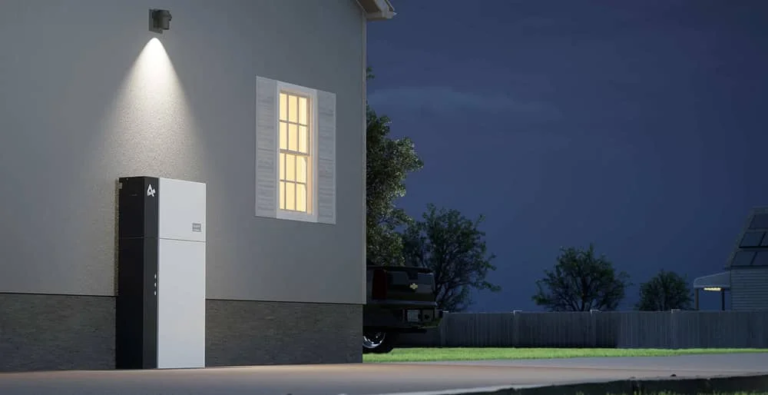
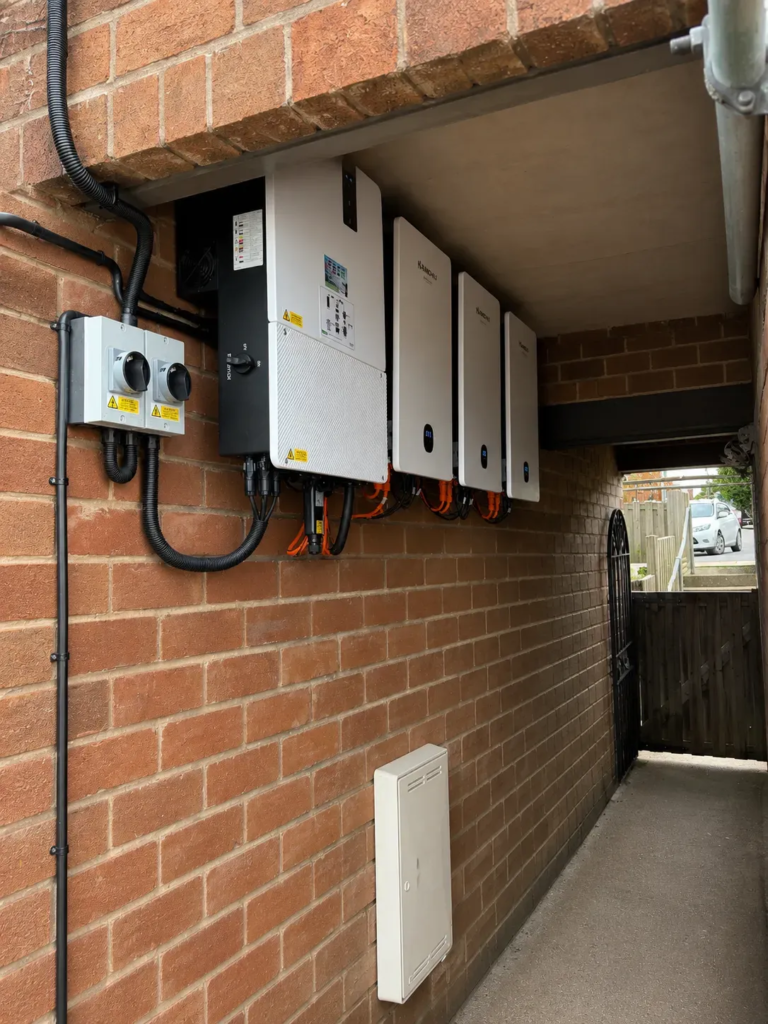
A fully integrated solar PV system paired with modern battery storage allows you to capture over 80% to 90% of your annual solar generation. More importantly, it gives you access to smart energy tariffs, allowing your battery to top up on cheap overnight electricity during the dark winter months when solar generation is low.
While plug-in kits are a welcome step forward for renters and apartment living, they are simply a band-aid for homeowners looking to protect themselves against long-term energy inflation.
Want to See What a Fully Optimized System Can Save You?
If you own your property and want a clear, itemized quote showing true return on investment, contact Prime Energy Solutions today for a free, no-obligation solar design.