In the quest for more sustainable and efficient home heating solutions, the debate between air source heat pumps and standard boilers is increasingly pertinent. With the UK’s commitment to reducing carbon emissions and the ongoing energy crisis, homeowners are looking for the most effective way to heat their homes.
What are Air Source Heat Pumps?
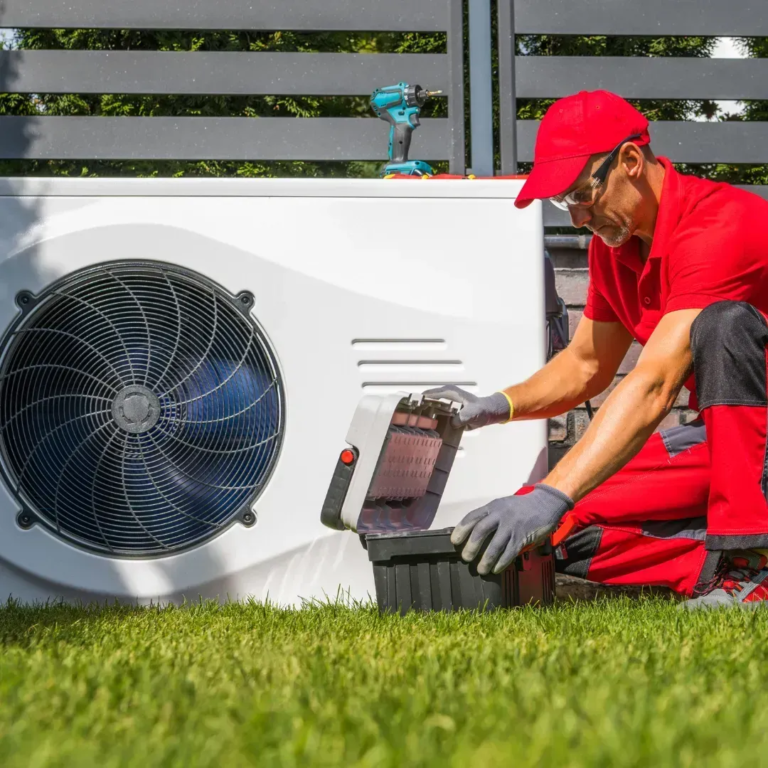
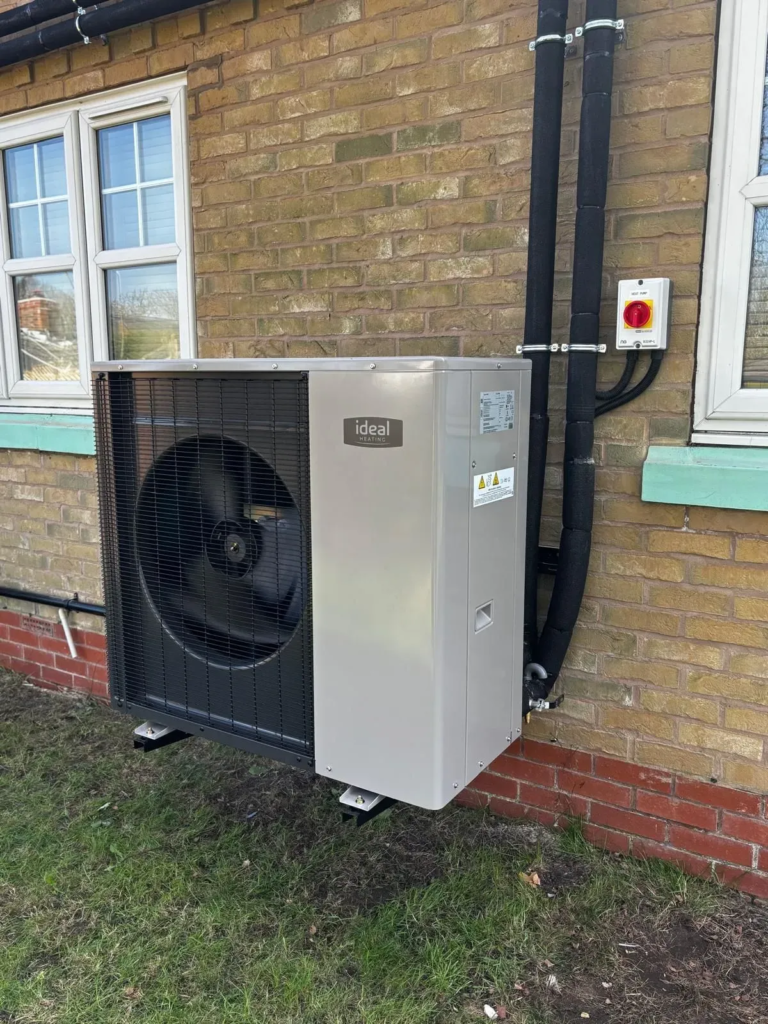
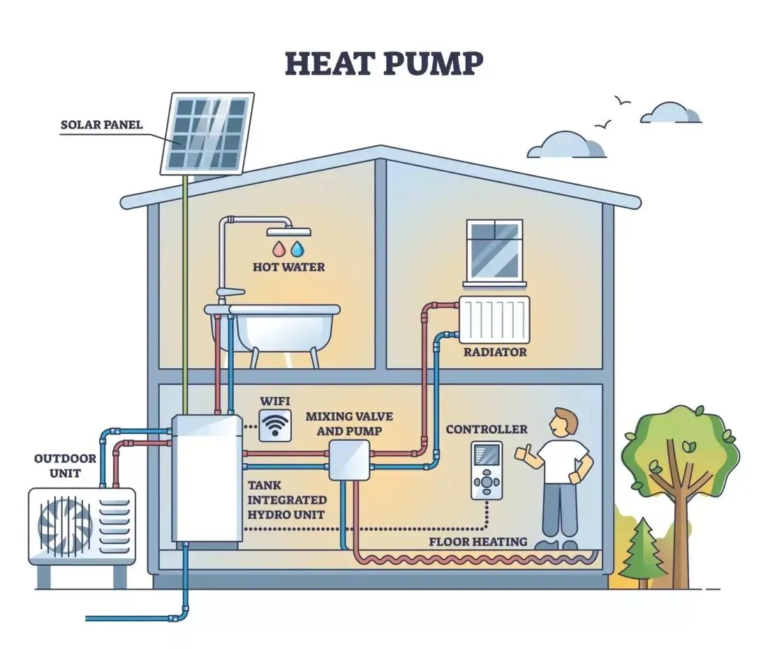
Air source heat pumps are a form of renewable energy technology that extracts heat from the outside air to heat homes and hot water. They operate by using a refrigerant system to absorb low-grade heat from the air, which is then compressed to increase its temperature. The heat is subsequently transferred to the home’s heating and hot water systems. air source heat pumps can function effectively even when the outside temperature is as low as -15°C.
How does it compare to a standard boiler?
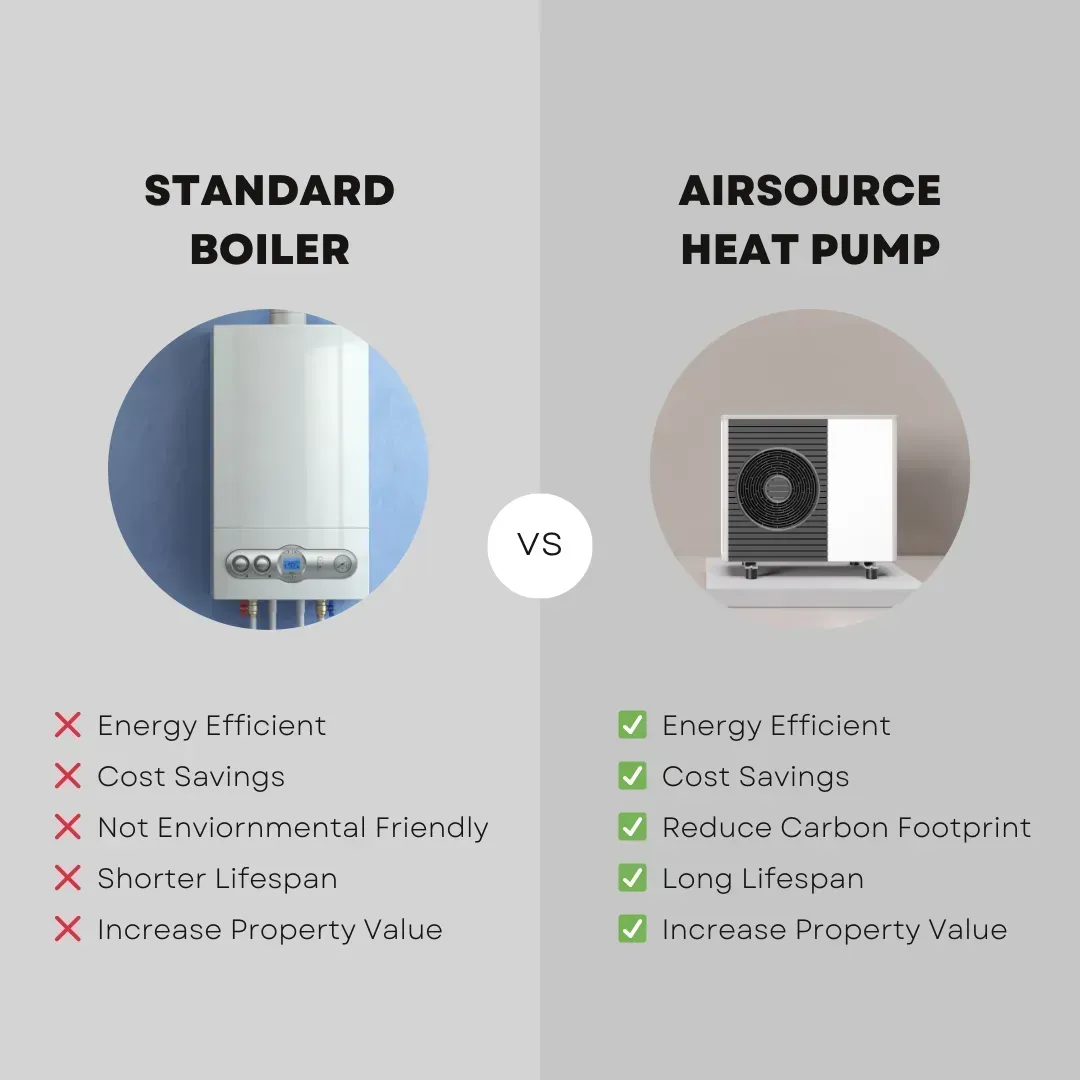
Standard boilers, often referred to as gas boilers, are the most common form of domestic heating in the UK. They burn natural gas or oil to produce heat, which is then used to warm water for radiators and taps. Boilers are known for their ability to provide high-temperature heat quickly but are less energy efficient compared to air source heat pumps and rely on fossil fuels, contributing to carbon emissions.
Efficiency and Environmental Impact
Air source heat pumps are significantly more efficient than standard boilers. They can deliver up to three times more heat energy than the electrical energy they consume, thanks to their ability to extract renewable heat from the environment. This high efficiency translates into lower running costs and a reduced carbon footprint, aligning with the UK’s environmental targets.
In contrast, the efficiency of standard boilers is generally lower, and their environmental impact is considerably higher due to the combustion of fossil fuels. This not only contributes to greenhouse gas emissions but also makes households vulnerable to fluctuating fuel prices.
Installation and Running Costs
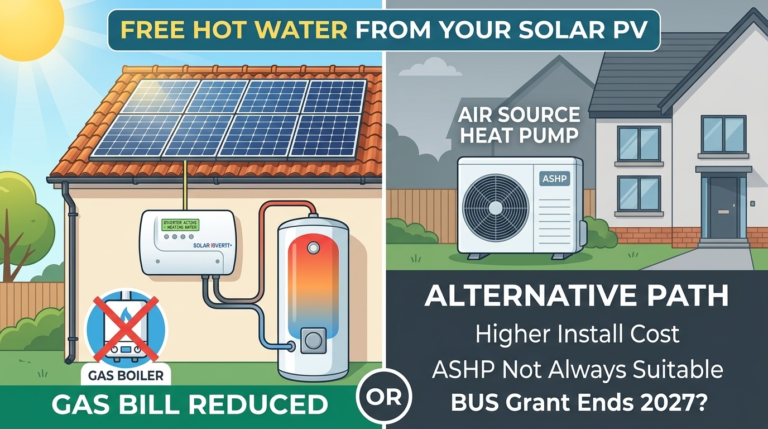
The initial installation cost of an air source heat pump is typically higher than that of a standard boiler. However, the long-term savings on energy bills and potential government incentives, such as the Renewable Heat Incentive (RHI) in the UK, can offset the initial outlay. Additionally, air source heat pumps have a longer lifespan than boilers, often up to 20 years, further enhancing their cost-effectiveness over time.
Conversely, standard boilers have lower upfront costs but higher operational costs, given their reliance on increasingly expensive fossil fuels. They also have a shorter lifespan, usually around 10 to 15 years, necessitating more frequent replacements.
Suitability and Installation
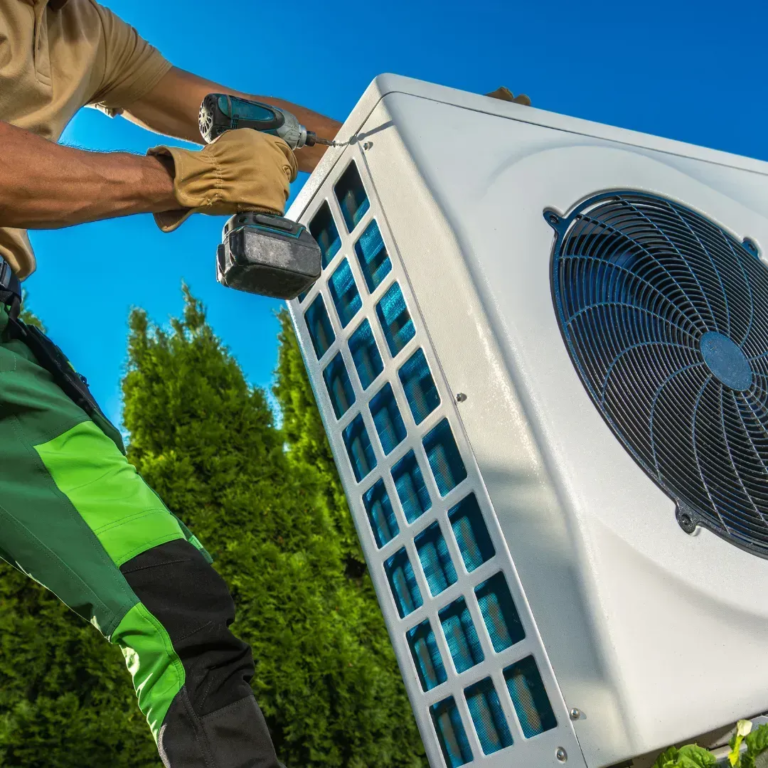
The suitability of air source heat pumps or standard boilers depends on several factors, including the property’s insulation, space availability, and existing heating system. Air source heat pumps require a well-insulated home to operate efficiently and may require larger radiators or underfloor heating due to the lower temperature heat they produce. They are easier to install in properties with outdoor space for the external unit.
Standard boilers, on the other hand, are often more straightforward to install in existing heating systems without the need for significant modifications. They are a practical option for homes where improving insulation or making other necessary adjustments for an air source heat pump is not feasible.
When choosing between an air source heat pump and a standard boiler depends on individual circumstances, including environmental priorities, budget constraints, and the specific requirements of the property. Air source heat pumps offer a more sustainable and cost-effective solution in the long term, aligning with the UK’s environmental goals. Contact us if you’re looking into installing air source heat pumps for your home and would like to ask questions around their costs, environmental impact, efficiency and more.