Solar Panel Maintenance: How to Keep Your Solar PV System Performing at Its Best
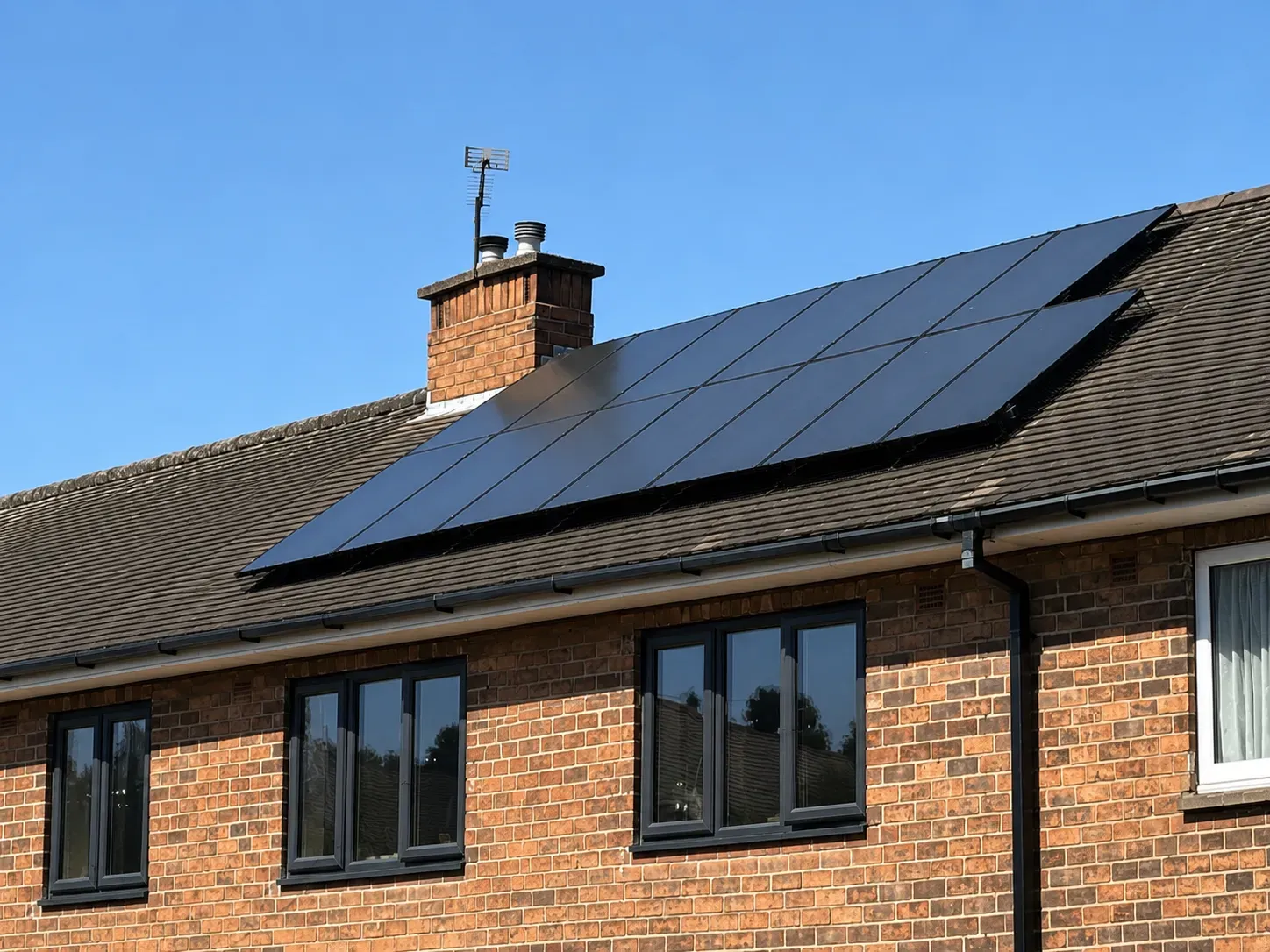
Installing solar panels is one of the smartest investments you can make for your home, helping to reduce electricity bills while lowering your carbon footprint. However, like any valuable asset, your solar PV system benefits from regular maintenance to ensure it continues operating at peak performance for decades.
The good news is that solar panels require very little maintenance compared to many other home improvements. A few simple checks each year can help maximise your energy generation, identify potential issues early, and protect your manufacturer’s warranty.
Why Is Solar Panel Maintenance Important?
Maximise Energy Production
Over time, dirt, dust, bird droppings, moss, leaves and other debris can accumulate on your solar panels. This build-up blocks sunlight from reaching the photovoltaic cells, reducing the amount of electricity your system can generate.
Even a small amount of shading can impact the performance of an entire string of solar panels, making regular inspections worthwhile.
Extend the Life of Your System
Most quality solar panels are designed to last 25–30 years or more. Routine maintenance helps ensure your panels, inverter, mounting system and electrical connections remain in excellent condition throughout their lifespan.
Early identification of minor issues can prevent more expensive repairs later.
Protect Your Investment
A solar PV system represents a significant investment. Regular maintenance helps ensure you’re getting the highest possible return through maximum energy generation and lower electricity bills.
How Often Should Solar Panels Be Maintained?
For most homes in the UK, we recommend:
- A visual inspection every few months.
- Professional servicing every 1–2 years.
- Cleaning when significant dirt, moss or bird droppings are visible.
- Monitoring system performance regularly using your inverter or monitoring app.
Step 1: Monitor Your Energy Generation
One of the easiest ways to spot a problem is by checking your monitoring app regularly.
Watch for:
- Unexpected drops in energy production.
- Error messages from your inverter.
- Panels producing significantly less than expected.
- Fault notifications.
If your system’s performance suddenly decreases without an obvious reason such as poor weather, it’s worth arranging an inspection.
Step 2: Keep the Panels Clean
Rainfall naturally washes away much of the dirt that builds up on solar panels, but it won’t remove everything.
Panels may require cleaning if they are affected by:
- Bird droppings
- Tree sap
- Moss or algae
- Heavy pollen
- Dust
- Air pollution
- Leaves
Cleaning Tips
If your panels can be reached safely:
- Use clean water and a soft sponge or microfibre cloth.
- Avoid abrasive materials that could scratch the glass.
- Never use pressure washers, as they may damage seals or void warranties.
- Avoid harsh chemicals or detergents.
If your roof is difficult to access, it’s always safer to use a professional solar panel cleaning company.
Step 3: Inspect for Physical Damage
Following storms or high winds, carry out a visual inspection from ground level.
Look for:
- Cracked panels.
- Loose mounting brackets.
- Damaged cabling.
- Excessive bird nesting beneath the array.
- Shading from newly grown trees.
Never climb onto the roof unless you are properly trained and equipped to do so safely.
Step 4: Check the Inverter
Your inverter is the heart of your solar PV system and typically has a shorter lifespan than the panels themselves.
Regularly check that:
- No warning lights are displayed.
- Ventilation around the inverter remains unobstructed.
- The cooling vents are free from dust.
- The display shows normal operation.
Most modern systems will also notify you through a mobile app if an issue develops.
Step 5: Schedule Professional Servicing
A professional inspection provides peace of mind that your entire system is operating safely and efficiently.
A qualified solar engineer can inspect:
- Electrical connections.
- DC and AC isolators.
- Mounting system security.
- Roof penetrations.
- Inverter operation.
- Battery performance (where installed).
- Generation data.
- Safety compliance.
This level of inspection can identify hidden faults before they affect performance.
Don’t Forget Your Battery Storage System
If your solar installation includes a home battery, it also requires occasional inspection.
Ensure:
- Air vents remain unobstructed.
- There are no warning indicators.
- The battery software is updated where applicable.
- The surrounding area remains clean and dry.
- Any unusual noises or smells are investigated immediately.
Modern battery systems require very little routine maintenance but should still be checked during annual servicing.
Trees and Shading
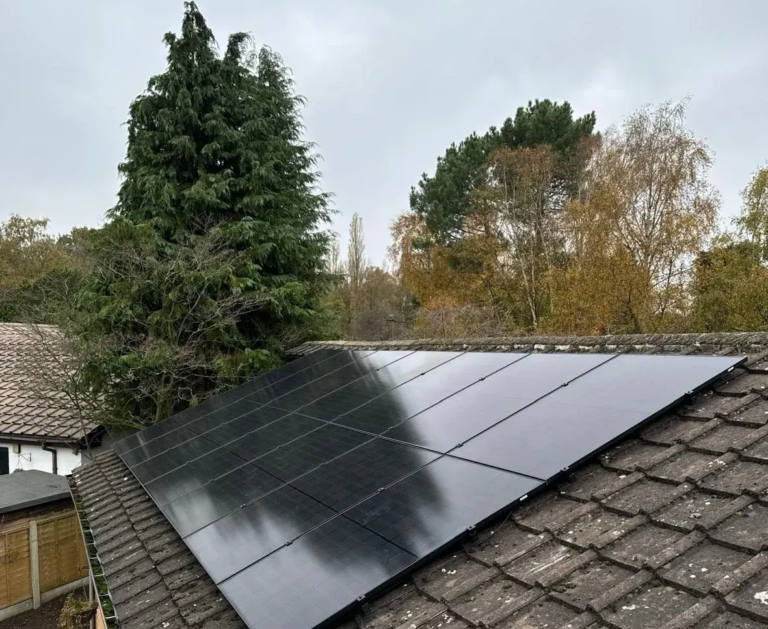
Trees grow surprisingly quickly and can gradually reduce your solar generation over the years.
Every year, check for:
- New branches casting shade.
- Vegetation covering panels.
- Moss growth caused by persistent shade.
Trimming back vegetation can significantly improve system performance.
Keep an Eye on Your Electricity Bills
A sudden increase in electricity usage could indicate your solar system isn’t generating as much energy as it should.
Comparing your electricity bills alongside your solar generation data can help identify problems early.
Maintenance Checklist
To keep your solar PV system running efficiently:
- Inspect your panels every few months.
- Monitor generation using your app.
- Remove visible dirt where safe to do so.
- Check your inverter for warning lights.
- Inspect for storm damage.
- Keep nearby trees trimmed.
- Arrange a professional service every 1–2 years.
- Contact your installer if you notice reduced performance.
Protect Your Renewable Energy Investment
Solar panels are built to provide decades of reliable, low-maintenance performance. By carrying out simple routine checks and arranging periodic professional servicing, you can maximise energy production, prolong the life of your system and continue enjoying lower electricity bills year after year.
Whether your system is brand new or has been installed for several years, preventative maintenance is one of the easiest ways to ensure your renewable energy investment continues to deliver outstanding results.