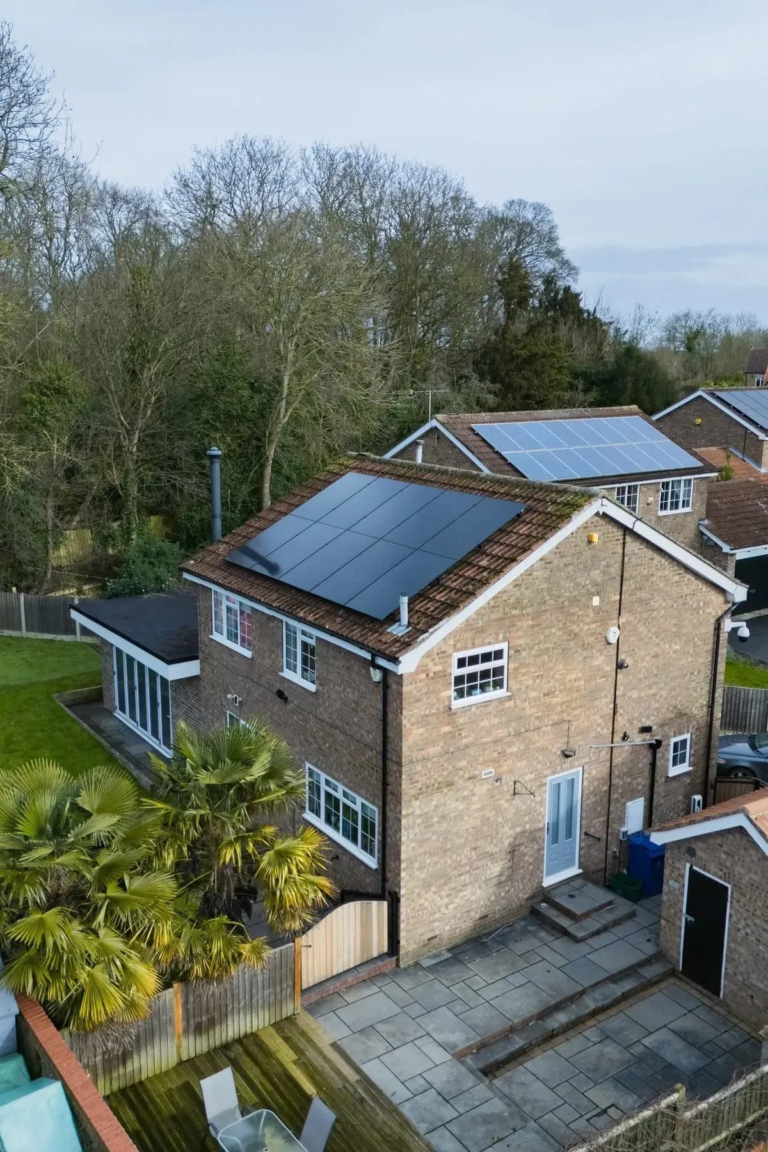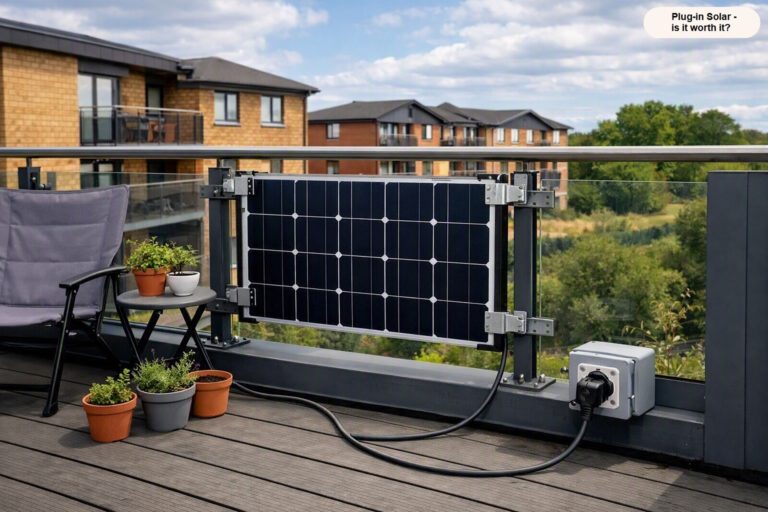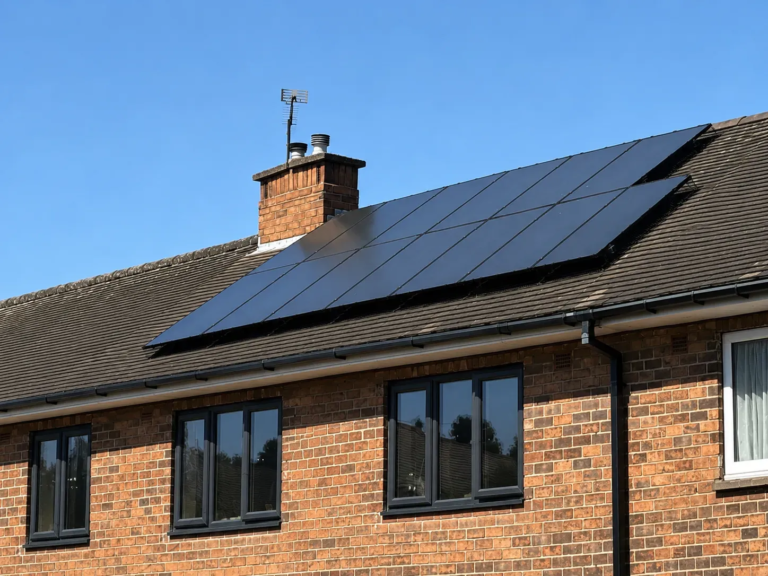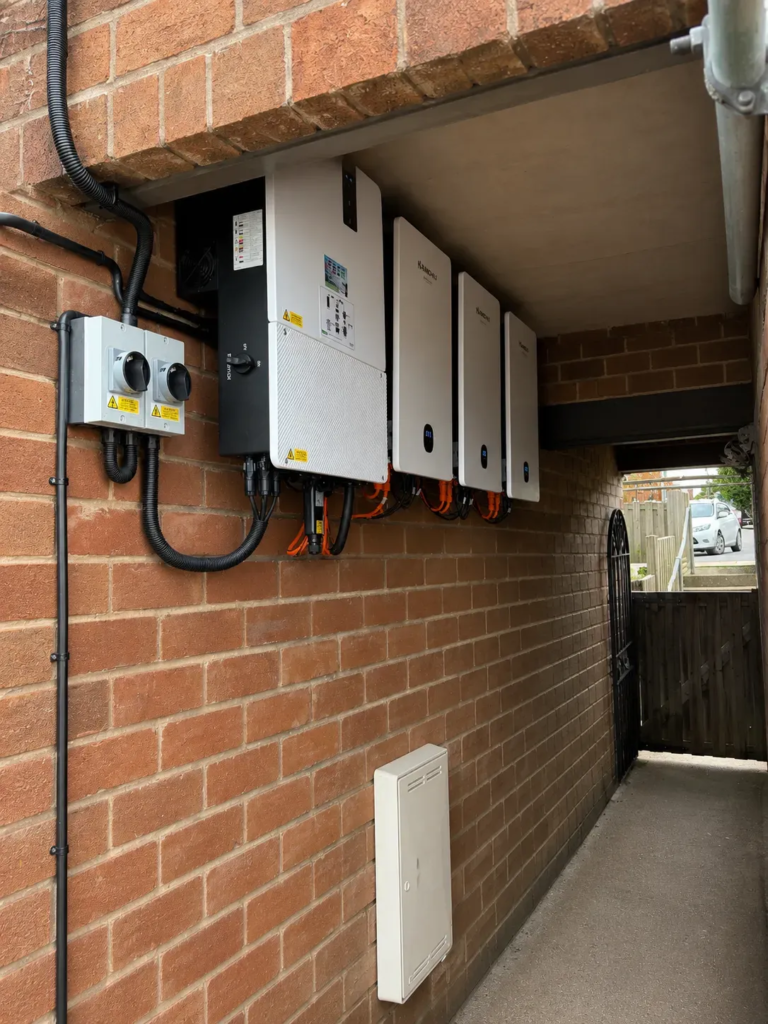
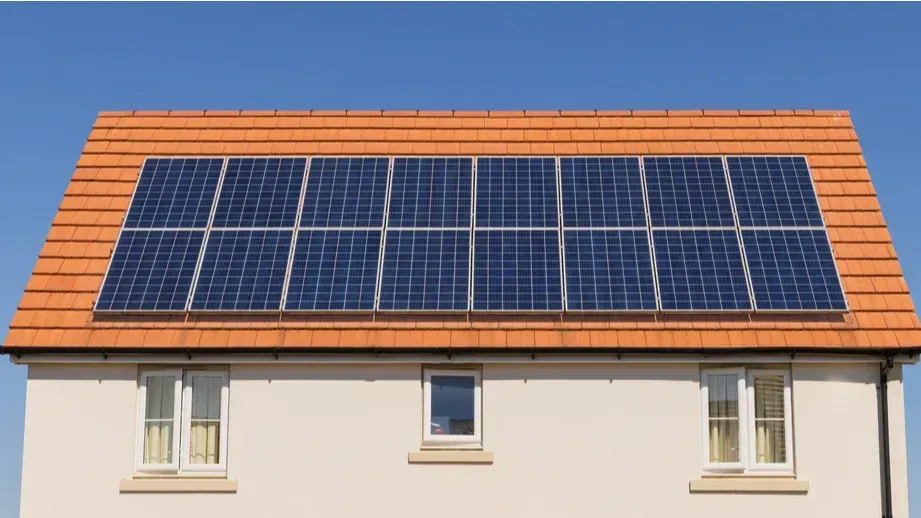
The adoption of solar panels in the UK has seen significant growth over the last decade. With increasing energy costs and a heightened focus on sustainability, more homeowners and businesses are turning to solar power as a way to reduce their carbon footprint and save money. If you’re considering solar panels in 2025, this comprehensive guide will help you understand the costs, benefits, and savings associated with making the switch.
Why Solar Panels Are Ideal for the UK
A common misconception is that the UK’s cloudy climate isn’t suited for solar energy. However, solar panels don’t need constant sunshine to generate power—they work efficiently even in overcast conditions by converting daylight into electricity. Modern solar technology ensures optimal performance in the UK, making it a viable energy solution for homes and businesses alike.
The push for renewable energy sources, along with government incentives, has made solar panels more accessible and affordable than ever before.
The Cost of Solar Panels in 2025
The cost of installing solar panels varies depending on several factors, including the size of the system, the type of panels you choose, and the complexity of installation. Here’s an estimate:
|
System Size |
Average Cost (including installation) |
Typical Energy Output |
|
3 kW |
£5,000 – £6,000 |
2,500 – 3,000 kWh/year |
|
4 kW |
£6,000 – £8,000 |
3,000 – 4,000 kWh/year |
|
6 kW |
£9,000 – £12,000 |
5,000 – 6,000 kWh/year |
While these initial costs may seem high, advancements in solar technology and competition in the market have significantly reduced prices over the years. Additionally, financing options, such as green loans or pay-as-you-save schemes, make solar panels more affordable upfront.
Government Incentives and Grants in 2025
The UK government continues to support renewable energy initiatives, offering incentives to make solar installations attractive. Key schemes include:
1. Smart Export Guarantee (SEG):
Homeowners can sell unused electricity back to the grid at competitive rates, earning extra income from their solar systems.
2. Zero VAT on Solar Panels:
Since 2022, the VAT for solar panel installations has been reduced to 0%, making installations significantly cheaper.
3. Energy Company Obligation (ECO4):
Low-income households may qualify for grants to cover part or all of the installation costs.
Keep an eye on local council grants or community solar initiatives, as they can further reduce costs.
The Savings and Return on Investment
Solar panels are a long-term investment, and the savings on your energy bills can be substantial. Here’s what you can expect:
• Annual Energy Savings: A typical 4 kW system can save around £400 – £500 per year on electricity bills, depending on your energy usage and location.
• Payback Period: Most solar installations pay for themselves within 6–10 years. After this, the energy savings are pure profit.
• Increase in Property Value: Homes with solar panels are more attractive to buyers, particularly as energy costs rise.
With energy prices expected to remain high in 2025, the savings could be even greater.
Environmental Benefits of Solar Panels
Switching to solar power isn’t just about financial savings—it’s also a step towards a more sustainable future. Here are some key benefits:
• Reduced Carbon Emissions: A 4 kW system can offset approximately 1.5 tonnes of CO₂ annually.
• Energy Independence: Generating your own electricity reduces reliance on fossil fuels and helps stabilize the grid.
• Support for Renewable Energy Goals: Solar adoption aligns with the UK’s target to achieve net-zero carbon emissions by 2050.
Case Study: A Homeowner’s Experience
Emma, a homeowner in Manchester, installed a 4 kW solar panel system in 2023. After two years, she reports annual savings of £450 on energy bills and earns an additional £150 through the SEG. “The decision to go solar has not only reduced my bills but also given me peace of mind about my energy usage,” she says.
Is 2025 the Right Time to Go Solar?
With decreasing costs, government support, and rising energy prices, 2025 is an excellent year to invest in solar panels. Whether you’re a homeowner looking to cut bills or a business owner aiming to reduce operational costs, solar power offers a reliable and sustainable solution.
Take the Next Step
If you’re ready to explore solar panel installation, start by:
1. Requesting quotes from reputable installers.
2. Checking your eligibility for grants or incentives.
3. Assessing your energy needs and roof suitability.
Solar energy is more than just an investment—it’s a commitment to a cleaner, greener future. Don’t wait—start your solar journey today!
Have questions about solar panels or need personalized advice? Let us know in the comments below!