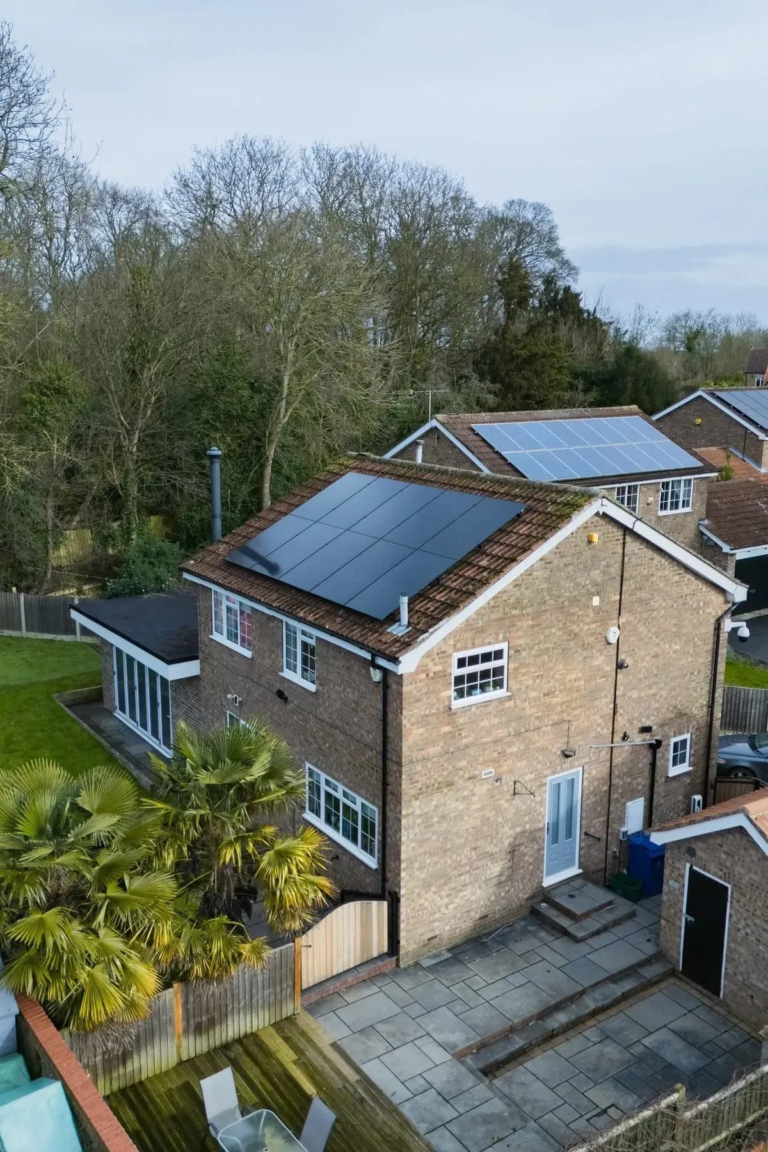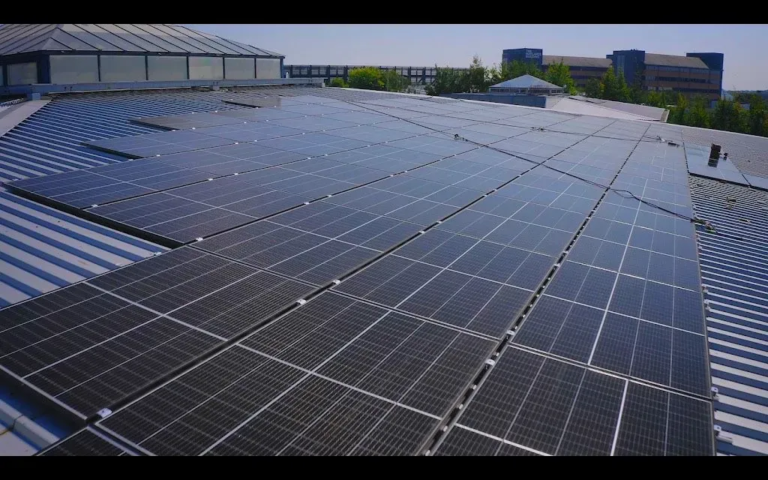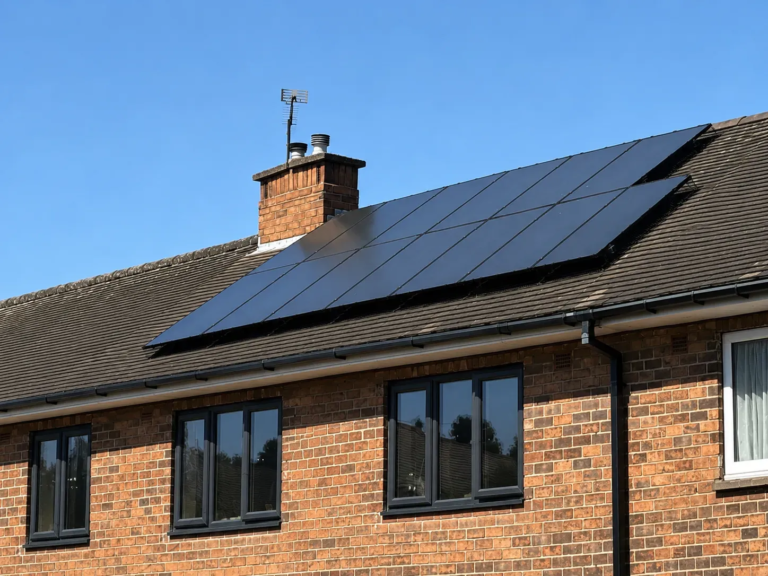
A Positive Perspective for the UK If you’re considering solar panels for your home in the UK, you might wonder: do solar panels still work during winter? The answer is a resounding yes! Solar energy systems continue to generate electricity even during the colder, darker months, although their performance is somewhat different than in summer. Here’s a look at how solar panels operate in winter and why they remain a viable energy solution throughout the year.
How Do Solar Panels Work in Winter?
Solar panels generate electricity from sunlight, not temperature. They harness photons from the sun to create an electric current. So, while it may be chilly or overcast, as long as there’s daylight, solar panels will continue to produce energy. In fact, some evidence suggests solar panels may perform more efficiently in cooler temperatures, as extreme heat can slightly reduce their efficiency. For the UK, where winter is generally characterized by shorter days and cloudier skies, this is great news. But how well do solar panels actually perform during these winter conditions?
UK Winter Solar Production: The Numbers
Studies show that UK solar panels produce roughly a quarter of their total annual output during the winter months. While this may seem modest, this production still provides substantial energy savings. Here’s a closer look at the figures for a typical 4 kW solar panel system:
• Summer Production (June – August): A typical 4 kW system can generate around 1,000–1,200 kWh in the height of summer.
• Winter Production (December – February): During winter, the same system will generally produce around 250–300 kWh.
While this difference is notable, 250–300 kWh in winter is still enough to power essential appliances, lighting, and electronics in many households.
To put this in perspective, the average UK household uses about 8–10 kWh per day. So, during winter, solar panels might produce about 3–4 kWh per day, covering up to 40% of daily electricity needs, which is still a valuable supplement.
Why Cloudy Days Aren’t a Problem
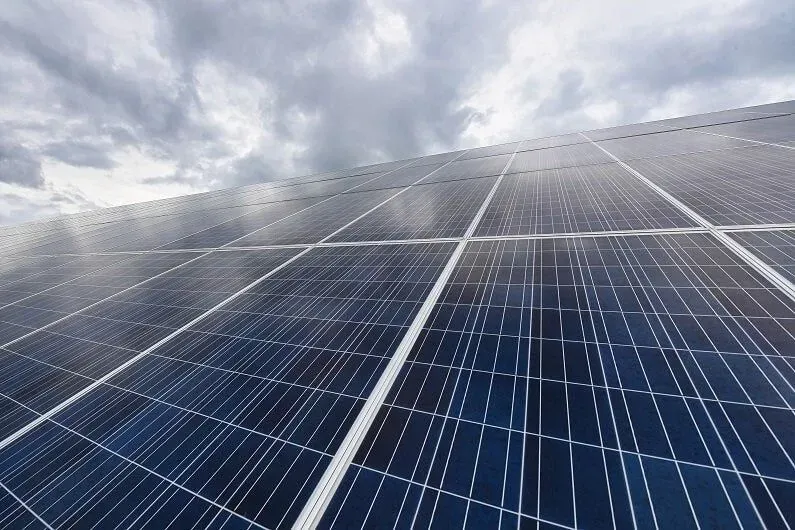
One of the most common misconceptions is that solar panels don’t work on cloudy days, which are typical in the UK winter. Solar panels do experience a reduction in efficiency during overcast days, but they still work. Photovoltaic (PV) technology is able to convert diffuse sunlight into electricity.
In the UK’s frequently overcast weather, a solar panel can still achieve around 10–20% of its typical sunny-day output. This might sound low, but when
considered over the entire season, it adds up significantly.
The Benefits of Snow and Cold Temperatures
Interestingly, cold temperatures can actually improve solar panel performance. Solar panels are electronic devices, and like most electronics, they operate more efficiently in lower temperatures. According to research, for every degree Celsius drop below 25°C, solar panel efficiency can increase by about 0.5%.
So while the UK might not see much snow, the cold temperatures are beneficial. And, if snow does fall, solar panels have smooth surfaces that usually allow snow to slide off or melt quickly, especially once the sun shines through. Snow can also reflect sunlight, adding a small boost to energy production.
Financial Benefits in Winter
While winter generation is lower, the financial benefits of solar panels remain throughout the year due to the Smart Export Guarantee (SEG). This program allows UK households to sell excess electricity back to the grid, providing income even during winter when your home may produce more than you use on certain days. Over a full year, the SEG can add up significantly, helping offset the initial cost of the solar panels.
Real-Life Example: Winter Solar Output in the UK
Let’s look at a hypothetical but realistic example. Imagine a household in Manchester with a 4 kW solar system. During a clear winter day, this system might produce:
• 3–4 kWh on an average day in January with partial sunlight.
• 6 kWh or more on a bright, sunny winter day, which is enough to power essentials and charge batteries for later use.
These figures, while smaller than summer, still add up across the season, reducing energy costs and dependence on the grid.
Why Solar Is Still a Year-Round Win Winter sunlight may be weaker and days shorter, but even modest winter solar production is beneficial. Here are a few reasons why solar is a year-round investment:
1. Offsetting Energy Bills: Winter solar production helps reduce reliance on the grid, cutting down on energy costs even in low-light months.
2. Carbon Reduction: Every kilowatt generated by solar is one less that has to be produced by fossil fuels, contributing to a greener UK.
3. Year-Round Financial Gains: With the SEG and reduced grid reliance, households benefit financially all year, with winter production contributing meaningfully.
4. Battery Storage Solutions: Many UK households are now pairing solar panels with home battery systems, allowing them to store summer-generated power to use in winter, maximizing efficiency.
Final Thoughts
In the UK, winter may reduce solar energy output, but it doesn’t render solar panels ineffective. Even in winter, solar panels can contribute significant power and offer savings, helping to power homes more sustainably. When viewed as a long-term investment, solar panels make a strong case for value across the entire year—even during those chilly, cloudy UK winters.
If you’re considering solar panels, rest assured that they’ll work for you all year long, even through the darkest days of winter.